

From the outside, it looks like you’re doing fine.
You’re getting through your days. You’re showing up at work. You’re handling responsibilities. You might even be proud of how much you can carry.
But quietly, there’s a question that keeps tapping you on the shoulder:
Am I actually healing… or am I just managing?
This is the heart of coping vs healing, and it’s a distinction many high-functioning adults were never taught to make. Coping works. It keeps life moving. Healing, on the other hand, feels slower, messier, and harder to measure. Because of that, we often assume coping is the goal.
It isn’t.
Coping vs Healing Explained
Understanding coping vs healing starts with this difference:
Coping is about survival.
Healing is about restoration.
Coping skills help you tolerate distress so you can function. They regulate emotions, reduce symptoms, and keep you steady enough to get through the day. Deep breathing, distraction, staying busy, routines, and pushing through are all common coping strategies.
Healing goes deeper. Healing asks what your nervous system and emotions have been holding onto. Instead of just reducing symptoms, healing works to change the patterns underneath them.
In the coping vs healing conversation, the key question becomes:
Are you managing your pain, or are you processing it?
Both coping and healing matter. Problems arise when coping becomes the long-term solution for things that actually need healing.

Everyday Examples of Coping vs Healing
Coping and healing often look very different in daily life. Many people don’t realize the difference because coping can look like things are working, at least on the surface.
When you’re coping, you might notice that you:
-
function well in a crisis but feel empty when things slow down
-
can explain your stress clearly but rarely feel relief
-
stay composed at work and emotionally shut down afterward
-
rely on productivity, control, or humor to get through hard moments
Healing doesn’t usually show up the same way. Instead of helping you power through, healing changes how you relate to what’s coming up internally.
When you’re healing, the experience is often less polished at first:
-
you’re noticing emotions instead of immediately pushing past them
-
old reactions or memories come up instead of staying buried
-
you’re questioning patterns that once felt normal
-
rest feels uncomfortable but necessary
-
you’re more focused on feeling whole than appearing fine
This is why coping vs healing can feel confusing. Coping feels efficient and familiar. Healing feels vulnerable and unfamiliar. Additionally, vulnerability isn’t rewarded in most high-pressure environments.
Why High-Achieving People Lean Toward Coping
High-achieving adults are often praised for coping.
You may have learned early that being steady, capable, and emotionally contained kept things moving. You were rewarded for resilience without anyone asking what it cost you internally.
Over time, your nervous system learned that safety came from control.
In the coping vs healing dynamic, healing can initially feel threatening because it asks you to slow down, feel, and soften strategies that once protected you. For people who’ve had to hold themselves together for a long time, that can feel risky.
So you cope. And you cope well.
Until coping starts to feel like quiet exhaustion instead of strength.
What to Do Instead of Coping
The shift in coping vs healing isn’t about stopping your coping skills. It’s about expanding beyond them.
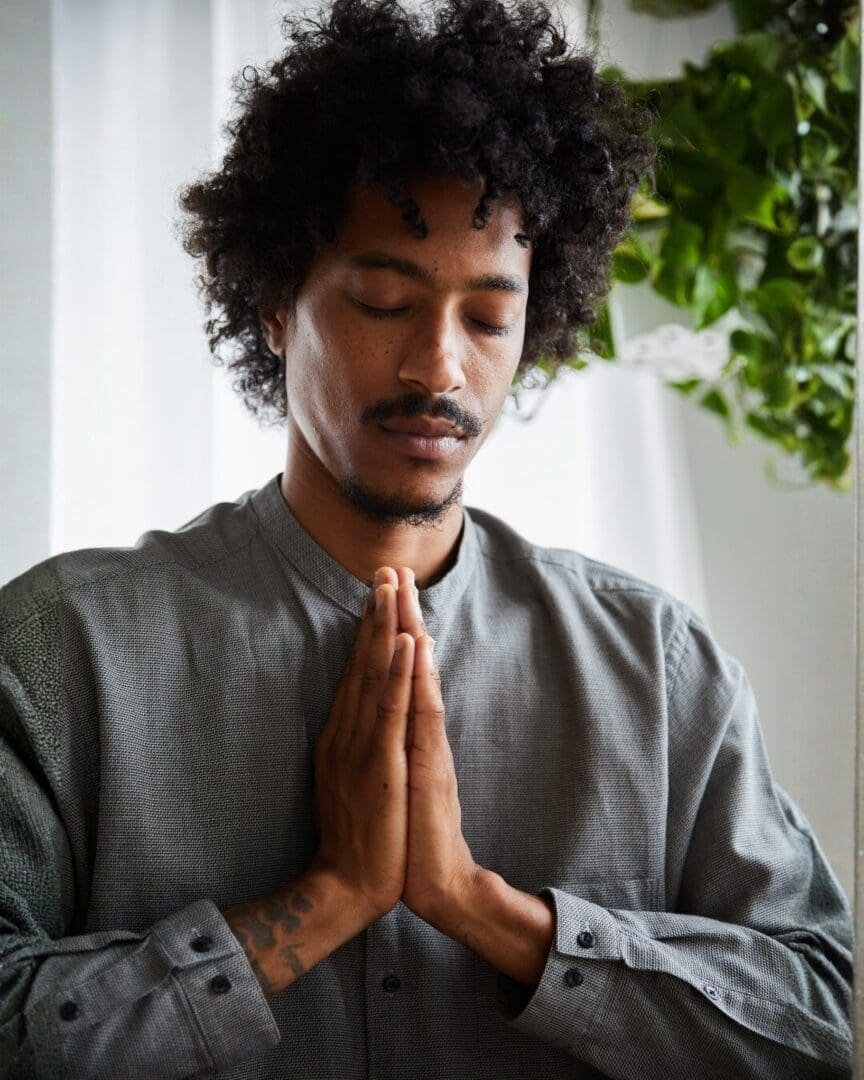
Start by slowing urgency.
Notice how quickly you move to fix, push, or power through. Healing begins when you pause long enough to feel what urgency is covering.
Name what’s present without solving it.
Try noticing and naming emotions or sensations without turning them into action steps. Awareness itself is part of healing.
Create spaces where you don’t have to perform strength.
Healing requires safety, not composure. Coping happens alone. Healing happens in connection.
This isn’t about doing less.
It’s about moving from coping vs healing by doing things differently.
Put It All Together
Coping is not a failure. It’s a skill, and for many people, it’s how they survived.
But coping is not the same as healing.
If you’ve mastered coping and still feel tense, disconnected, or emotionally tired, the issue may not be effort. It may be that your system is ready to move from coping vs healing and into something more sustainable.
Healing doesn’t undo your resilience.
It gives you space to rest from needing it all the time.
Moving From Coping to Healing
If you’re realizing that coping has kept you functional but not fully at ease, therapy can help you explore the shift from coping vs healing.
At Simplicity Psychotherapy, we support adults navigating burnout, emotional suppression, trauma, and major life transitions. We work with high-achieving professionals who are ready to feel steadier from the inside out.
If you’re curious about what healing could look like for you, contact us today to explore individual therapy, EMDR therapy, or support for stress and burnout.
You don’t have to stop coping to start healing.
You just have to make room for it.

About the Author
Hi, I’m Rayvéne Whatley, a Licensed Professional Counselor practicing in Georgia, Louisiana, and Texas. I’m passionate about empowering people, especially Black men and women, to remove the mask of other people’s expectations and step into their authentic selves.
Much of my work focuses on addressing the impact of racial trauma on mental health. The intersection of identity, systemic stressors, and societal expectations can create layers of anxiety, self-doubt, and emotional pain. I help clients navigate these experiences by reexamining beliefs that no longer align with their goals and replacing them with ones that support their desires and values.
Through my writing, I aim to share insights and resources to help you better understand the connection between racial trauma and mental well-being, while offering tools to reclaim your peace and balance.
Whether you’re here for guidance, validation, or inspiration, I’m glad you’ve found this space.Healing isn’t always easy, but it’s worth it—and you don’t have to do it alone.