
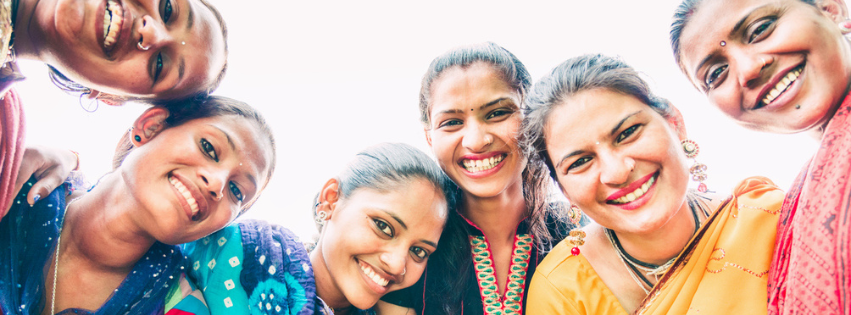
As a South Asian therapist, my passion lies in creating a space where South Asian women and those with intersecting identities feel truly seen and heard. Growing up in a culture that prioritizes family, tradition, and resilience, many of us have learned to hold back our struggles, believing that strength means enduring in silence- through sabr (patience) and bardasht (tolerance). For many South Asian women, these values are deeply ingrained, and are often equated with being a good daughter, wife, mother, student, sister.. you get it.. the list can go on and on. While patience and endurance are good character traits and values to have, they should not come at the cost of one’s well-being. True sabr is not silent suffering- it is resilience with self-compassion. Healing begins when we allow ourselves to be vulnerable, to seek support, and to redefine strength on our own terms.
Therapy can be a powerful tool to help navigate the complexities of identity, relationships, and cultural expectations. Whether it’s balancing familial obligations with personal dreams, overcoming trauma that has been passed down from generations, or unlearning internalized guilt and shame, I am here to support that journey with compassion and cultural awareness.
You deserve a space to process, grow, and heal on your own terms. Therapy is not about changing who you are but empowering you to embrace your full self with confidence and clarity. Let’s rewrite the narrative together.
The Hidden Consequences of Sabr and Bardasht
In South Asian culture, sabr and bardasht are seen as noble qualities, often associated with perseverance, family harmony, and religious faith. Women, in particular, are expected to hold these virtues in their relationships, careers, and personal lives. While patience and endurance can be empowering in some situations, they can also have unintended negative consequences because they can become mechanisms for suppressing emotional pain and internalizing suffering.
Many South Asian women grow up hearing stories of their mothers and grandmothers who endured hardships- whether in marriages, societal expectations, or personal sacrifices- without complaint. The message is clear: resilience is measured by how much one can endure, not by how one seeks help or sets boundaries.
This cultural conditioning can lead to:
-
Unhealthy Relationships: The emphasis on patience can sometimes lead women to stay in toxic or abusive relationships, believing that their sabr/bardasht is a testament to their strength.
-
Mental Health Struggles: Internalizing stress and suppressing emotions can contribute to anxiety, depression, and even physical health issues.
-
Guilt and Shame: Seeking help or prioritizing oneself may be seen as selfish, leading to feelings of guilt and a reluctance to reach out for support.
While sabr can be a source of strength, it is important to recognize when patience turns into silent suffering. Therapy offers a space to navigate these complexities and redefine resilience in a way that honors both cultural values and personal well-being.
How Therapy Supports South Asian Women
Therapy can be a beneficial tool for understanding how our cultural values can impact our mental health. Through therapy, you can learn how to integrate cultural values like sabr and bardahst in a way that supports emotional well-being.
Here’s how therapy can help:
- Validating Experiences: Many South Asian women feel like they are alone in their struggles. Therapy can help validate their feelings and show that they are not alone in navigating cultural and societal pressures.
- Breaking Generational Patterns: Therapy provides tools to identify and break patterns of emotional suppression and unhealthy coping mechanisms that may have been passed down through generations.
- Building Self-Compassion: Women can learn that prioritizing their mental health is not selfish; rather, it enables them to show up as their best selves in all aspects of life.
- Developing Healthy Boundaries: Therapy can help women learn to set boundaries with family, relationships, and societal expectations in a way that respects their needs and values.
- Processing Trauma and Healing: Whether it’s past trauma, intergenerational wounds, or everyday stressors, therapy provides a structured approach to healing and emotional growth.
Therapy does not erase cultural identity; rather, it helps women embrace their identity while building a healthier relationship with their own emotions.
Take the next step!
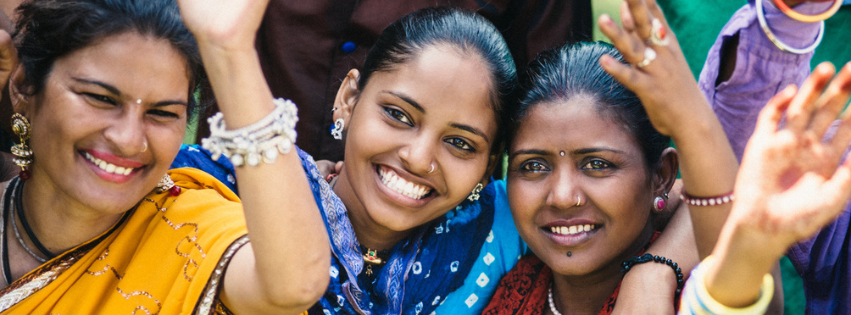
Healing is not about abandoning your culture or values but rather it is about embracing them in a way that helps your mental well-being. South Asian women deserve to take up space, to speak their truth, and to seek help without fear of shame or guilt. Therapy offers the tools to navigate the complexities of identity, relationships, and self-worth while honoring the values that shape who you are.
By redefining sabr as resilience with self-compassion rather than silent pain and suffering, we can create a future where South Asian women no longer feel the need to endure alone but instead find strength in healing, community, and self-empowerment.
If you are struggling, know that your pain is valid, your voice matters, and help is available. You are not alone on this journey. Take the next step and break through the generational trauma-. Every step you take now creates a path of resilience, strength, and peace for yourself and those who come after you.
Put It All Together
Therapy for South Asian women isn’t about letting go of tradition—it’s about healing within it. Your journey doesn’t have to be silent. It can be soft, strong, messy, and honest. You’re allowed to ask for more—for yourself and your future.
If you’ve been carrying the pressure to be the “good daughter,” to stay silent, strong, and selfless—therapy can be the space where you finally breathe.
Work with Mahnoor Farooq or one of our culturally attuned therapists who understands the nuances of South Asian identity, family dynamics, and the quiet toll of sabr.
You deserve support that honors both your culture and your well-being.
👉 Meet Mahnoor | Start Therapy
About the Author
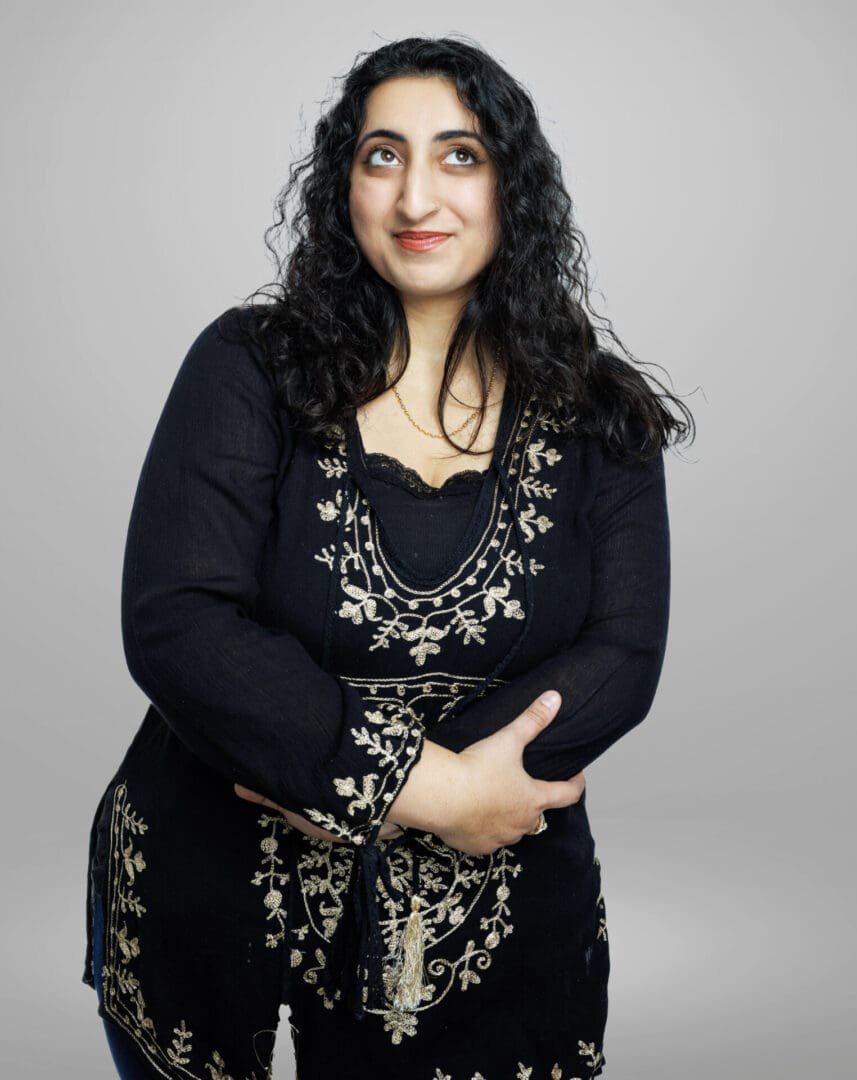
Mahnoor is an Associate Professional Counselor at Simplicity Psychotherapy who brings heart, cultural humility, and compassion to her work with South Asian women and other communities of color. With a focus on identity, generational healing, and emotional resilience, she creates space for clients to be fully seen, without the pressure to explain their culture or shrink their truth.